
Converter vs. Cartridge: Which Fountain Pen Ink System is Better?
When you unbox a premium fountain pen for the first time, you quickly realize it doesn't function like a standard ballpoint. There is no permanent ink reservoir glued inside the barrel. Instead, you are given choices on how you want to load your ink.
The two most common ink delivery systems for modern writing instruments are disposable ink cartridges and refillable ink converters.

If you are just getting started in the hobby, deciding between the two can feel a bit confusing. Is one better than the other? Does a converter make a pen write smoother? Let’s break down the mechanics, the advantages, and the drawbacks of both systems so you can choose the perfect fueling method for your daily writing routine.
What is an Ink Cartridge? (The Convenient Choice)
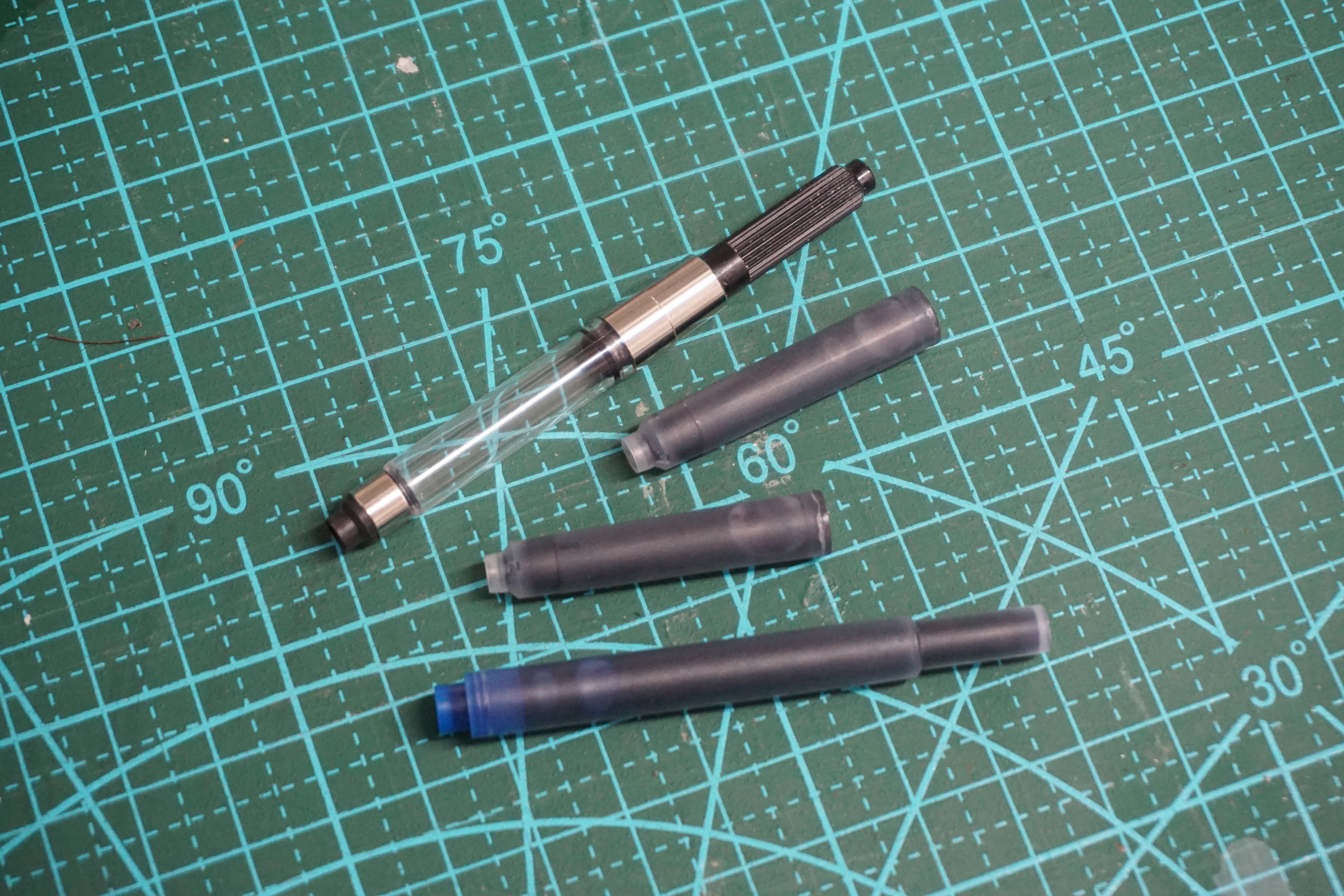
An ink cartridge is a small, sealed plastic tube pre-filled with fountain pen ink at a factory. To use it, you simply push the open end of the cartridge into the back of your pen's grip section until a tiny internal bead punctures, allowing the ink to flow into the feed.
The Pros:
-
Ultimate Convenience: Changing an ink cartridge takes less than ten seconds and requires zero cleanup. You just toss the empty plastic tube in the trash and pop a new one in.
-
Perfect for Travel: Cartridges are completely mess-free and compact. You can easily keep three or four backups in your pocket, desk drawer, or travel bag without worrying about glass bottles or liquid spills.
The Cons:
-
Limited Color Options: When you use cartridges, you are locked into the basic colors that major ink manufacturers choose to package in plastic—usually standard black, blue, or blue-black.
-
Environmental Impact: Because they are single-use plastic, regular writing creates ongoing plastic waste.
What is an Ink Converter? (The Bottled Ink Gateway)
An ink converter is a miniature, refillable piston pump that sits in the exact same spot a cartridge would. Instead of tossing it away when empty, you manually operate a tiny twist mechanism or plunger to draw raw liquid ink out of a glass bottle, directly through the nib, and into the pen's internal reservoir.
The Pros:
-
Access to Thousands of Colors: This is the primary reason collectors love converters. Using bottled ink opens the door to a massive universe of boutique inks. You can write with shimmering metallic flakes, rich shading inks that change color as they dry, or historic waterproof formulas.
-
Eco-Friendly and Cost-Effective: A single glass bottle of premium ink can last a daily writer a year or more. Because the converter is reused indefinitely, it is a highly sustainable, zero-waste system.
The Cons:
-
The Learning Curve: Filling a pen from a bottle requires a steady hand and a tiny bit of practice. You will inevitably get a little bit of ink on your fingertips the first few times you try it.
-
Maintenance: To keep a converter mechanism moving smoothly, it requires a quick rinse with clean water every few weeks when you change your ink colors.
Head-to-Head Comparison
| Feature | Disposable Ink Cartridges | Refillable Ink Converters |
| Ease of Use | Ultra-simple; pop in and go | Requires a manual bottle-fill process |
| Mess Factor | Zero mess | Minor risk of ink on fingers during refills |
| Ink Variety | Limited to standard factory colors | Access to thousands of boutique bottled colors |
| Cost Per Milliliter | Higher (paying for packaging convenience) | Exceptionally low over time |
| Sustainability | Single-use plastic waste | 100% reusable and eco-friendly |
Understanding Compatibility: The "Standard International" Rule
Before buying cartridges or converters, it is crucial to check your pen's sizing requirements. The fountain pen world is split into two structural design styles:
-
Proprietary Systems: Some major corporate brands build their pens with unique internal dimensions, forcing you to buy only their branded cartridges and converters.
-
Standard International Systems: Many premium custom and bespoke artisans build their pens around the "Standard International" blueprint. This is an open industry standard, meaning your pen can accept universal, high-quality international cartridges and twist converters made by world-renowned manufacturers from all over the globe.
Frequently Asked Questions (People Also Ask)
Does using a converter change how a pen writes?
No. The nib and the plastic feed dictate how smooth or wet a pen writes, not the ink storage tank. However, because bottled inks have different chemical properties, using a "wetter" bottled ink in a converter can make a dry pen feel significantly smoother on paper.
Can you refill an empty ink cartridge?
Yes, many seasoned fountain pen users do this! If you love the massive capacity and convenience of a cartridge but want to use custom bottled ink, you can use a blunt-tip medical syringe to inject bottled ink directly into an empty, washed-out plastic cartridge sleeve.
Can you leave an ink converter half-full?
Absolutely. Unlike cartridges, which should be used until empty once punctured, an ink converter can be partially filled if you just want to test out a new ink color for a few pages before switching to something else.
Thoughtful Engineering at Springfield Pens
At Springfield Pens in New Westminster, we believe a fine writing instrument should offer you complete freedom. That is why we engineer all of our bespoke wood and resin fountain pens to utilize the highly versatile Standard International fitting system.
Every single custom fountain pen we craft comes shipped with a premium, smooth-twist international ink converter included right in the box, giving you immediate access to the wonderful world of bottled luxury inks. Prefer convenience? You can easily pop out the converter and use any standard international cartridge of your choice. Explore our collection today and experience a tool tailored completely to your lifestyle.
Share:
Fountain Pen Nib Sizes Explained: What Do the Letters Mean?
The Beginner's Guide to Ink Swatching and Shading Inks