
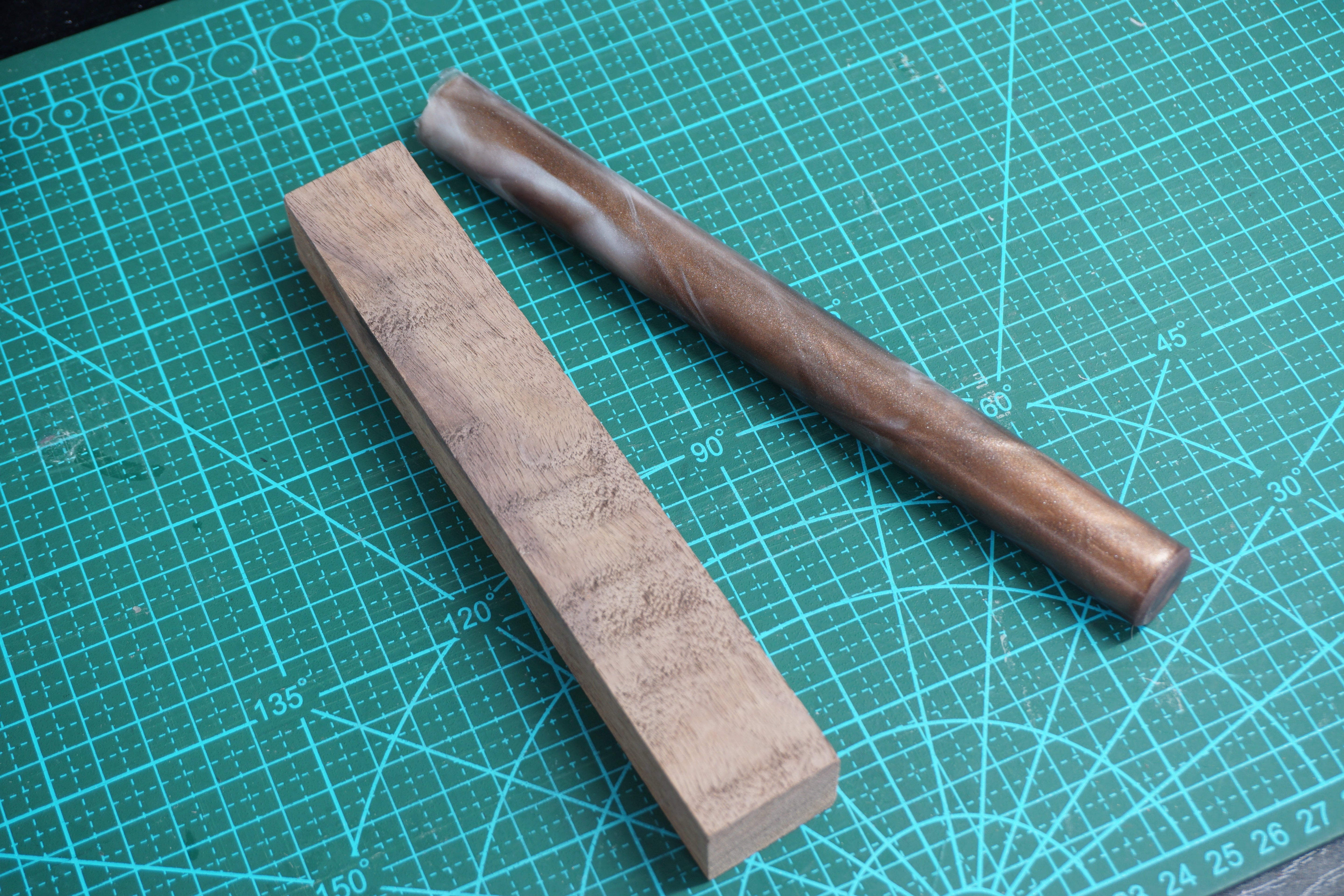
Wood vs. Resin Fountain Pens: How to Choose the Perfect Material
When you step into the world of bespoke, handcrafted writing instruments, you are immediately confronted with a beautiful dilemma. Unlike mass-produced office pens made of cheap, sterile plastic, custom pens are turned from spectacular, premium raw materials.
The two most popular choices for artisanal pens are exotic hardwoods and specialized artisan resins.
Both materials make for stunning, heirloom-quality writing instruments, but they offer completely different experiences in your hand and on your desk. If you are trying to decide which material is right for your next piece, let’s break down the differences in tactile feel, durability, aesthetics, and maintenance.
The Case for Exotic Woods: Organic, Warm, and Living
There is something deeply grounding about holding a pen crafted from a piece of the natural world. Turning a pen from a premium burl, a rich walnut, or a striking olivewood creates an instant connection to nature.
The Tactile Experience
Wood is a "warm" material. It doesn’t feel cold to the touch when you first pick it up on a winter morning; instead, it immediately matches your body temperature. It has a subtle, organic texture that offers a natural grip, making it incredibly comfortable for long, meditative journaling sessions.
Developing a Patina
A wood pen is a living object. Over months and years of use, the natural oils from your hands will interact with the grain, deepening the color and creating a soft, custom patina. No two wood pens will ever age the same way—your pen literally evolves to reflect your personal writing history.
The Trade-off: Mindful Care
Because wood is organic, it requires a little bit of mindfulness. It doesn't love extreme humidity changes, and you shouldn't leave it sitting in a puddle of water on your desk. It’s a material for those who appreciate the ritual of caring for fine things.
The Case for Artisan Resins: Vibrant, Durable, and Mesmerizing
If wood represents the beauty of the earth, premium resins represent the height of artistic expression. We aren't talking about standard plastics here; high-end custom pens utilize specialized polyurethane resins (like the famous DiamondCast, which embeds real, ethically reclaimed diamond dust into the mix).
Unmatched Visual Depth
Resin allows an artisan to play with color, opacity, and light in ways that wood cannot. High-grade resins offer incredible chatoyancy—that shimmering, three-dimensional depth where the colors seem to shift and dance as you rotate the pen under a desk lamp. From deep cosmic swirls to vibrant, pearlescent hues, resin pens are instant eye-magnet statement pieces.
Bulletproof Durability
From a practical standpoint, premium polyurethane resins are incredibly tough. They are completely impervious to moisture, won't stain if an ink capsule accidentally leaks inside the barrel, and are highly resistant to cracking or chipping if dropped.
The Tactile Experience
Resin pens can be hand-polished to a completely seamless, glass-like finish. They feel ultra-smooth, sleek, and substantial in the hand, giving the pen a distinctly modern, luxury weight and balance.
Wood vs. Resin: The Head-to-Head Comparison
| Feature | Exotic Wood Pens | Premium Resin Pens |
| Tactile Feel | Warm, textured, organic | Smooth, glassy, substantial |
| Aesthetics | Classic, understated, natural grain | Vibrant, shimmering, high-depth swirls |
| Durability | High (but sensitive to moisture/humidity) | Extremely high (completely water-resistant) |
| Aging | Develops a rich, personal patina over time | Retains its bright, high-gloss shine forever |
| Maintenance | Requires basic care (wipe dry, avoid soaking) | Virtually maintenance-free |
Which One is Right For You?
-
Choose Wood if: You love classic craftsmanship, appreciate the warmth of natural materials, want a pen that tells a story as it ages with you, and prefer a subtle, elegant aesthetic.
-
Choose Resin if: You want a bold, head-turning splash of color, crave that mesmerizing visual depth under the light, and want a durable, worry-free daily writer that can handle being tossed into a travel bag.
Frequently Asked Questions (People Also Ask)
Do resin pens scratch easily?
High-quality polyurethane resins are quite resilient against everyday wear. While micro-scratches can happen over years of heavy use, they can easily be buffed out by an artisan to restore the pen to its original high-gloss, showroom shine.
Will ink stain a wood fountain pen?
Because raw wood is porous, a direct ink spill could potentially stain it. However, custom pen makers apply specialized, durable sealants to the wood components to protect the grain from casual moisture and accidental ink splatters during refilling.
What is DiamondCast resin?
DiamondCast is a premium, boutique material used by custom pen turners. It is made by mixing high-grade polyurethane liquid resin with actual conflict-free diamond dust sourced from gemstone cutters. This gives the finished pen an authentic, brilliant sparkle that synthetic glitters cannot replicate.
Find Your Perfect Match at Springfield Pens
Whether you lean toward the quiet elegance of a hand-selected hardwood or the brilliant, light-catching depths of a custom-turned resin, the perfect writing instrument is the one that inspires you to put pen to paper.
At Springfield Pens, we carefully turn both premium woods and breathtaking resins into bespoke fountain pens right here in New Westminster. Every pen is a one-of-a-kind creation designed to elevate your everyday writing into a beautiful ritual.
Share:
Why Are Fountain Pens So Expensive? (The Artisan's Truth)
Gold vs. Steel Nibs: Is the Upgrade Actually Worth It?